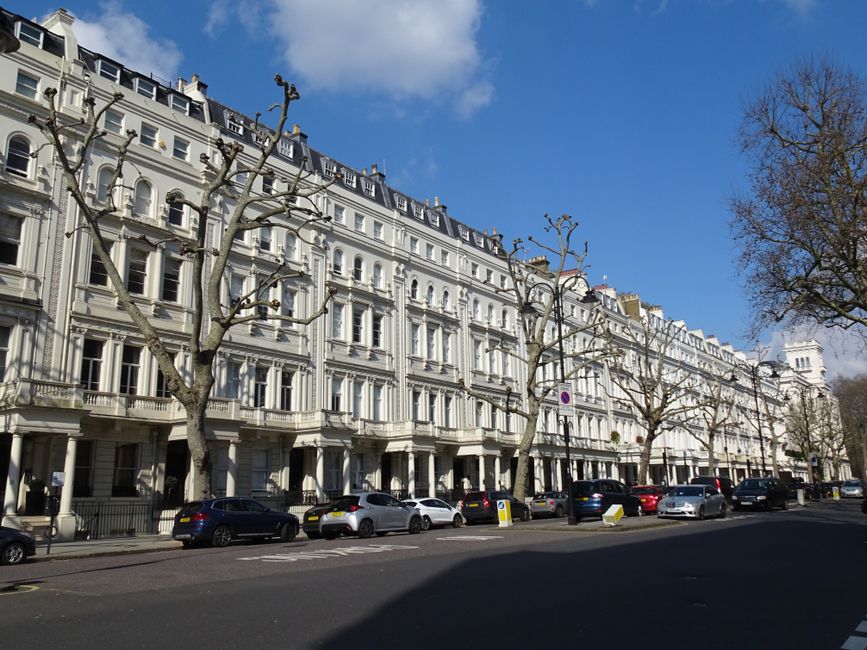
Pembridge Villas Move Guide: Period Homes, Careful Handling
Moving in Pembridge Villas is not quite the same as moving anywhere else in London. The street has that distinctive Notting Hill elegance: period facades, tall sash windows, narrow hallways, ornate staircases, and the sort of building quirks that can make a simple sofa feel like a small engineering project. If you are planning a move here, careful handling is not a nice-to-have. It is the whole game.
This guide to Pembridge Villas Move Guide: Period Homes, Careful Handling is built for people who want a calm, practical move without damage to the property, the furniture, or their nerves. You will find clear advice on access planning, packing, protecting period features, timing the move, and choosing the right kind of removals support. If you are also comparing service options, you may want to look at our removals services overview and pricing and quotes early on, just to get a feel for how the job is typically scoped.
Truth be told, most moving problems in period homes are predictable. Stairs are tight, parking is awkward, floor coverings need protection, and one badly judged turn can scuff a banister that has been there longer than most of the neighbours. The good news? With proper preparation, these moves can be handled very smoothly. Let's get into it.
Why Pembridge Villas Move Guide: Period Homes, Careful Handling Matters
Pembridge Villas sits in an area where the homes often come with history, character, and a few moving-day complications that modern builds simply do not have. Period properties can be beautiful, but they were not designed with oversized wardrobes, modular corner sofas, or today's appliance dimensions in mind. That mismatch is where things get tricky.
Careful handling matters because period homes usually contain a mix of delicate surfaces and awkward access points. Think original timber floors, plaster mouldings, narrow staircases, high ceilings, and entrance halls that look generous until a bed frame has to turn halfway up the stairs. Even if the property is in great condition, it can still be vulnerable during a move. A small chip on a painted skirting board or a scrape on a bannister can become an expensive irritation very quickly.
There is also the neighbour factor. Moves in quiet residential streets are best done with thoughtfulness: less blocking, less noise, fewer repeated trips when people are trying to get on with their day. In a place like Pembridge Villas, that courtesy matters. It helps keep the day pleasant, and it tends to make access easier too. To be fair, a smooth move is often about manners as much as muscle.
For anyone buying, renting, or upgrading in the area, the move itself is part of settling in properly. If you are still at the property search stage, you may also find it useful to read a guide to savvy real estate buying in Notting Hill and a local overview of Notting Hill living. They help set expectations before the boxes even appear.
How Pembridge Villas Move Guide: Period Homes, Careful Handling Works
In practical terms, a careful period-home move starts long before moving day. The process usually begins with a proper survey or at least a detailed discussion about the property, the access route, and the items being moved. That is where the hidden complications show up: basement flats, split-level landings, steep internal stairs, restricted parking, or furniture that looked perfectly reasonable in the old home but is suddenly "ambitious" in the new one.
A good move plan for Pembridge Villas normally includes the following:
- a check of access from street to front door
- measurement of stair widths, turns, and door frames
- assessment of fragile period features such as plasterwork, tiles, and wooden finishes
- clear handling instructions for valuables and specialist items
- parking and loading arrangements
- floor protection and wall protection where needed
Period homes often benefit from a staged approach. Large items may be taken out first, with the team protecting routes as they go. Smaller boxes and awkward pieces then follow once the safest path is clear. It sounds simple, but the order matters. A corridor that is still full of loose items is far more likely to cause a mishap than one that has been properly cleared.
Careful handling also means knowing when to dismantle and when not to. Some furniture can be safely taken apart; some pieces are more stable left intact. A solid old wardrobe, for example, might move better with the doors removed and internal fittings secured, rather than being forced through tight corners as one bulky unit. This is where experience counts.
If you are moving a whole flat or a larger house, it can help to compare the format of your move with options such as flat removals in Notting Hill or house removals in Notting Hill. The right approach depends on access, volume, and how much specialist care your items need.
Key Benefits and Practical Advantages
A well-managed move in Pembridge Villas does more than protect your possessions. It protects the building, saves time, and reduces stress in ways that are easy to underestimate until the day itself.
Here are the biggest practical benefits:
- Less risk of property damage: Period features can be sensitive, especially original wood, stone, plaster, and painted finishes.
- Better control over large furniture: Careful planning makes awkward items far easier to move safely.
- Fewer delays on the day: Good access planning avoids last-minute problem solving on the pavement.
- Lower stress for you: When every box has a place and every item has a plan, the day feels manageable.
- Improved safety: Clear routes and proper lifting methods reduce the chance of accidents.
There is another benefit people sometimes miss: careful handling often saves money indirectly. Not by magic, obviously, but because fewer damages mean fewer repairs, replacements, or awkward conversations. And if the move needs a van with the right capacity, or a more flexible man-and-van setup for smaller loads, it is easier to choose wisely when the job has been properly assessed. You can compare options via man with a van in Notting Hill, man and van in Notting Hill, or a dedicated removal van in Notting Hill depending on the scale of your move.
For many people, the real advantage is peace of mind. That moment when you realise the sofa is not going to jam halfway up the stairs. Small victory, but a lovely one.
Who This Is For and When It Makes Sense
This guide is especially useful if you are moving into or out of a period property in Pembridge Villas, but it also applies if you are managing a renovation move, downsizing, or relocating a rental with older architectural details.
It makes sense for you if any of the following sounds familiar:
- your building has narrow stairs or a tight front entrance
- you own antiques, pianos, artwork, mirrors, or heirlooms
- you are concerned about protecting original floors and painted woodwork
- you are moving on a busy day and need timing to be tight
- you want a more structured, low-risk move rather than a rushed one
It is also relevant if your move involves a combination of larger furniture and smaller precious items. A family moving from a long-held home in Notting Hill, for example, may have both a heavy dining table and a box of fragile keepsakes that absolutely should not be stacked under anything. That mix needs judgement, not just manpower.
And if you are moving something like a piano, do not treat it as a standard boxy item. It is its own thing entirely. The safest route is usually to use specialist support such as piano removals in Notting Hill. For some homes, especially if timing is tight or the move is happening fast, same-day removals may also be relevant, though that kind of move should be planned carefully rather than treated casually.
If your move is part of a bigger life change, perhaps after a purchase or while coordinating completion, it can help to browse investing in Notting Hill real estate too. The more you understand the wider moving picture, the easier the actual day becomes.
Step-by-Step Guidance
A good move in a period home is mostly about sequence. Do the right things in the right order and everything feels calmer. Skip steps and the day gets noisy fast.
1. Walk the property before moving day
Start with a full walk-through. Check the route from each room to the exit, then outside to the van. Notice the pinch points. A lamp may be fine in the living room but impossible to rotate in the hallway. Measure where it matters. Old houses can be surprisingly unforgiving in the last metre.
2. Protect the parts of the home most at risk
Use floor protection, door covers, and corner guards where needed. Not every move needs a fortress of padding, but period homes often benefit from extra care at thresholds, stair edges, and around bannisters. A small sheet of protection can save a lot of regret.
3. Pack by fragility and access, not just by room
It is tempting to pack everything room by room and stop there. But in a complex building, the better method is to think about what needs to come out first, what can be stacked, and what should stay separate. Fragile items should be clearly marked, and heavier items should never be placed above delicate ones. Obvious? Yes. Still worth saying.
4. Dismantle only where it genuinely helps
Some furniture benefits from being taken apart. Some does not. Bed frames, shelving, and certain tables often travel better when broken into manageable sections. But if dismantling makes reassembly risky, or the joinery is old and precious, think twice. In period homes, the furniture itself may deserve a gentler touch than modern flat-pack would.
5. Time the loading window carefully
Try to avoid peak congestion where possible. Early starts often work well in London, especially when parking is limited and you need time to load without rushing. If you are near busy local routes, a little extra buffer makes a big difference. The street feels different at 8 a.m. than at midday. Quieter, simpler, less fraught.
6. Label everything in a way that helps on arrival
Labels should tell you more than just the room name. Add priority, fragility, and any special note, such as "open first" or "keep upright". That tiny bit of detail saves chaos later when the kettle is needed and nobody wants to hunt through six identical boxes.
7. Settle high-value and delicate items separately
Keep important documents, jewellery, small valuables, and personal electronics with you where possible. It reduces risk and gives you a little control back on a day that can otherwise feel a bit too full.
If you are packing yourself, the right materials make the process a lot less stressful. A proper supply of boxes, tape, wrapping paper, and protective materials is not glamorous, but it absolutely matters. See packing and boxes in Notting Hill for a useful starting point.
Expert Tips for Better Results
After enough moves in and around period properties, certain habits stand out. They are not dramatic, but they save the day more often than people expect.
- Use smaller boxes for heavier contents. Books, tools, and kitchenware can get heavy very quickly. Smaller boxes are easier to carry and less likely to split.
- Photograph tricky setups before dismantling. This is especially useful for furniture, lighting, and any item with cables or fittings that need to go back together later.
- Keep one clear corridor. Do not let every room become a staging area. One clean route is better than three cluttered ones.
- Check window and stair clearance before moving large pieces. Sometimes a window route is safer than a staircase, but only if it has been assessed properly.
- Tell the movers about fragile finishes in advance. If your hall has a soft painted surface or historic detailing, say so early. Nobody likes surprises there.
One very practical tip: prepare a small "first night" bag. Tea, phone charger, toiletries, medication, pet essentials, a change of clothes, and basic bedding if needed. It sounds basic because it is basic. Yet it saves enormous amounts of friction at the end of a long day.
Another point worth mentioning, and people forget this all the time, is communication. A move team can work remarkably well with clear instructions. If there is a delicate mirror, a wobbly staircase, or a neighbour-sensitive loading area, say it out loud. A few minutes of clear conversation is better than twenty minutes of improvising on the doorstep.
For service and safety expectations, it is sensible to review a company's public information before you book. Pages such as insurance and safety, health and safety policy, and about us can help you judge how a team operates and whether their approach feels properly considered.
Common Mistakes to Avoid
Most moving mistakes in period homes are not mysterious. They are usually caused by underestimating access, rushing the packing, or assuming that old buildings behave like new ones. They don't.
- Not measuring awkward items. If the item is bulky or valuable, measure it. Guessing is how people end up stuck at a landing.
- Ignoring stair angles and landings. A staircase can look wide enough and still fail at the turn. The turn is often the problem, not the width.
- Using oversized boxes for heavy items. It might feel efficient at first, then the box becomes a back injury waiting to happen.
- Leaving protection until the last minute. By the time the sofa is at the door, you do not want to be searching for blankets.
- Forgetting about parking or access permissions. London streets can be unforgiving if you leave this too late.
- Mixing delicate belongings with general load items. One careless stack and the problem begins.
A subtle but common mistake is emotional packing. People often keep doing everything themselves because the home feels personal. Understandable, of course. But if you are already exhausted, that is usually the moment to ask for help, not the moment to prove a point. There's no medal for carrying the heaviest box alone.
Another one: trying to move with too little notice. If your schedule is tight, be honest about it. Sometimes that means arranging a more responsive move format or a smaller, quicker team. In some cases, storage can take the pressure off. If that sounds useful, have a look at storage in Notting Hill.
Tools, Resources and Recommendations
Good tools make period-home moves easier, but the right tools are the ones that match the job rather than the fanciest kit on the market.
| Tool or Resource | Why It Helps | Best For |
|---|---|---|
| Strong double-walled boxes | Better for heavy or fragile contents | Books, kitchenware, mixed household items |
| Furniture blankets and wraps | Protects wood, upholstery, and corners | Cabinets, tables, sofas, antiques |
| Door and floor protection | Reduces scratches and impact damage | Stairs, hallways, original flooring |
| Labelled packing tape and markers | Speeds up unloading and room placement | Any move, especially larger ones |
| Specialist removals support | Helps with awkward access and fragile items | Period homes, heavy furniture, tight staircases |
For practical support, it is worth exploring the wider range of removal services in Notting Hill rather than choosing purely on speed. A move in a period property often benefits from a calmer, more tailored service. If your situation is more specialised, such as a larger household or a more complex access arrangement, house removals can be the better fit than a very small vehicle-only arrangement.
And if sustainability matters to you, it is worth checking whether surplus packing materials can be reused or responsibly disposed of. The page on recycling and sustainability is a sensible place to start. A move creates a surprising amount of packaging, and a little planning here goes a long way.
Law, Compliance, Standards, or Best Practice
Moving house is not usually a heavily regulated process in itself, but there are still important UK best-practice considerations. In London, access, parking, loading restrictions, and neighbour impact all need attention. It is sensible to check local parking conditions in advance, especially where a loading bay, permit, or timed access window may apply. That part is often less exciting than choosing paint colours, but far more useful on moving day.
For removal work, good practice usually includes clear communication about liability, handling expectations, and what protection is provided for the property and contents. If you are comparing providers, ask how they manage fragile items, what insurance arrangements are in place, and how claims or complaints would be handled if something went wrong. Those are not awkward questions. They are normal questions.
It can also help to check service terms before booking. The pages on terms and conditions, payment and security, privacy policy, and complaints procedure give a clearer sense of how a company handles customer-facing obligations. That level of transparency is a healthy sign.
Best practice also means being honest about access. If a staircase is especially tight, if there is no lift, if the front door steps are steep, or if parking is awkward, say so early. A professional removals team can only plan effectively when they know what they are walking into. Or carrying into, more accurately.
Options, Methods, or Comparison Table
Different moves call for different approaches. A period property move is rarely a one-size-fits-all job, and the right method depends on volume, access, and the level of care required.
| Method | Best For | Strengths | Watch Outs |
|---|---|---|---|
| Man and van | Smaller moves, flexible timing | Efficient, often practical for lighter loads | May be less ideal for larger period-home furniture or multiple fragile items |
| Dedicated removal van | Moderate household moves | More space, better loading structure | Still needs careful access planning in tight streets |
| Full removals team | Larger homes, complex furniture, fragile properties | More hands, more control, better for protection and speed | Usually needs more advance coordination |
| Specialist item service | Pianos, antiques, very heavy or delicate pieces | Tailored handling and safer movement | Should be booked specifically rather than assumed as standard |
If your move includes a mix of household goods and one particularly difficult item, a hybrid plan is often best. For example, a full house move with a piano might call for general removals support plus specialist piano handling. That is not overcomplicating things. It is just the sensible way to do it.
Cost is usually shaped by volume, access, distance, timing, and whether special equipment or extra labour is needed. If you want a realistic starting point, it is worth reviewing our prices and then asking for a tailored quote. A quick online figure is helpful, but a proper assessment is better when period features and access constraints are involved.
Case Study or Real-World Example
Consider a typical Pembridge Villas move: a couple leaving a top-floor flat in a Victorian conversion, with a dining table, a velvet armchair, a bookcase full of heavy books, and a large mirror they have owned for years. The staircase is narrow at the first turn, the front door opens onto a street where parking is limited, and the walls have original detailing that would be very easy to mark.
The move works best when it is handled in stages. First, the route is cleared and protected. Then the bookcase is emptied and moved carefully rather than left full. The mirror is wrapped separately and kept upright. The dining table is dismantled only where necessary, with fixings bagged and labelled. The armchair is covered and carried by two people so it does not catch the bannister. Simple decisions, but each one prevents a different kind of problem.
What makes the difference is not just the physical lifting. It is the calm sequence. No frantic back-and-forth. No surprise about the staircase. No "we'll just squeeze it through" nonsense. The job feels controlled from beginning to end, and that matters more than people think.
Expert summary: In period-home moves, the best results usually come from three things done well: measured planning, protective handling, and realistic timing. If any one of those is missing, the move becomes harder than it needs to be.
If your move is tied to a particular part of Notting Hill, such as the Portobello Road area, local familiarity can help with access and timing. You may find Portobello Road moves and expert removals in W11 useful as a neighbouring reference point.
Practical Checklist
Use this checklist a few days before the move. It is the sort of thing that saves you from small disasters on a busy morning.
- Measure the largest furniture items and compare them with doorways and stair turns
- Confirm parking or loading arrangements for the van
- Identify fragile period features that need protection
- Separate valuables, documents, and essentials from the main load
- Label boxes clearly by room and priority
- Prepare floor, wall, and door protection where needed
- Empty and secure drawers, shelves, and cabinets
- Photograph complex furniture before dismantling
- Set aside a first-night bag with essentials
- Check the service terms, insurance details, and quote before confirming
One-line reminder: If it feels awkward to move, it probably needs a better plan.
Get a free quote today and see how much you can save.
Conclusion
Moving in Pembridge Villas is a job that rewards patience, judgement, and a bit of local know-how. Period homes are beautiful, but they ask for respect. If you plan well, protect the right surfaces, and choose a removals approach that suits the property rather than forcing a generic solution, the whole process becomes much more manageable.
That is really the heart of this guide: careful handling is not about moving slowly for the sake of it. It is about moving intelligently. You save time by avoiding damage. You save stress by making the route clear. You save energy by using the right support at the right moment. Nice, steady, and practical. That's the aim.
If you are still comparing options, start with the service pages, check the costs, and decide what level of help matches your home and your timeline. A move in a period property can feel daunting at first, but with the right plan it can be one of those jobs that ends with a deep breath, a cup of tea, and the satisfying sound of the last box landing in the right room.
And yes, that moment is worth planning for.
Frequently Asked Questions
What makes a Pembridge Villas move different from a standard London move?
Period homes often have tighter stairs, more delicate finishes, and less forgiving access than newer builds. That means more planning, more protection, and a more careful moving approach.
How do I protect original floors and woodwork during the move?
Use floor coverings, door protection, and padding around vulnerable edges. The best setup depends on the property, but the aim is always to create a clear, safe route for carrying items.
Do I need specialist removals for period furniture?
Not always, but if the items are heavy, awkward, antique, or especially valuable, specialist handling is often the safer choice. That is particularly true for pianos, mirrors, and large wardrobes.
Is a man and van service enough for a period-home move?
It can be, if the load is small and access is straightforward. For larger homes, fragile items, or tight staircases, a fuller removals setup is often more practical.
How far in advance should I book a move in Pembridge Villas?
The earlier the better, especially if you need a specific date, timed access, or specialist help. Period properties can require more coordination, so leaving it late can limit your options.
What should I tell the removals team before moving day?
Share the layout, access issues, parking constraints, fragile items, and anything unusually heavy or delicate. Small details help prevent big problems.
Can removals teams handle pianos or other specialist items?
Yes, but these items should be treated as specialist loads and booked accordingly. A piano should not be moved as if it were an ordinary cabinet.
What if parking near my property is difficult?
That is common in this part of London. Plan parking or loading arrangements early, and discuss the situation with your removals provider so they can work around it properly.
How do I know if my quote is realistic?
A realistic quote should reflect volume, access, timing, and any special handling requirements. If a property has period features or awkward access, a tailored assessment is usually more reliable than a rough guess.
Should I dismantle furniture before the movers arrive?
Only if it genuinely helps and you are confident it can be reassembled safely. Some items are better left intact, especially if they are old, fragile, or structurally delicate.
What's the best way to pack fragile items for a period-home move?
Use strong boxes, plenty of wrapping, and clear labels. Keep fragile items separate from heavy ones and avoid overfilling boxes. It sounds simple, but it really does reduce breakages.
What if I need storage between moving out and moving in?
Short-term storage can be very helpful when timings do not line up neatly. It gives you breathing room and can make a tight completion schedule much easier to manage.
Can I get help with both packing and the move itself?
Yes, and for period properties that is often a smart choice. Packing support can save time, reduce stress, and improve the safety of fragile items before they are even loaded.