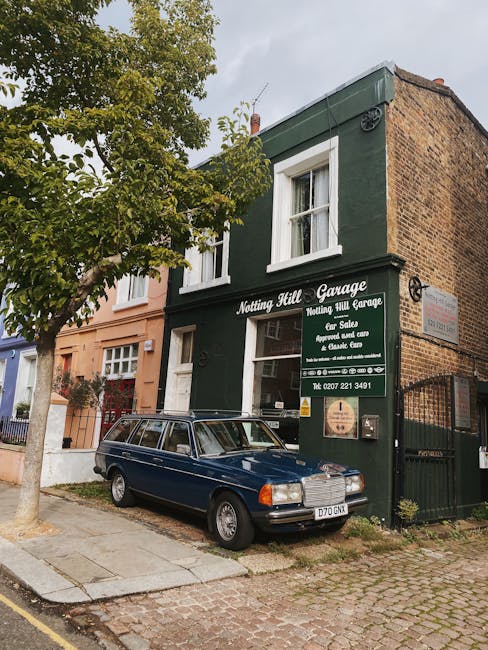
Listed Building Moves in Notting Hill: Rules & Tips
Moving out of, or into, a listed building is never quite a standard removal job. In Notting Hill especially, where elegant terraces, converted mansions, stucco facades and tucked-away mews properties are part of the character of the area, every move tends to come with a few extra layers of care. Listed Building Moves in Notting Hill: Rules & Tips is really about two things: protecting the property and protecting your move from delays, damage, or avoidable stress.
If you are dealing with narrow staircases, delicate plasterwork, sash windows, period floorboards or conservation-sensitive entrances, the details matter. A small mistake can become an expensive one. The good news? With the right planning, the right questions, and a calm approach, it is entirely manageable. This guide walks you through the practical rules, the sensible tips, and the real-world moving decisions that tend to matter most.
Why Listed Building Moves in Notting Hill: Rules & Tips Matters
Listed buildings are protected because they have special architectural or historic interest. That means the move itself is not just about boxes, lifting straps, and van access. It is also about avoiding accidental harm to features that should not be scratched, removed, drilled, or altered without care. In Notting Hill, many homes are old enough that even the building fabric feels personal. You notice it in the front steps, the cornicing, the timber floors, the old ironwork, sometimes even the slightly uneven hallway that makes a sofa look as if it has suddenly become too big for civilisation.
Why does this matter so much? Because removal teams working in or around listed properties often have to think about access, preservation, protection, and timing all at once. A simple job in a modern flat can turn into a more intricate operation in a Georgian terrace or a converted townhouse. If the building has a narrow shared staircase, a fragile entrance, or strict conditions from a managing agent, the move needs to be planned with a bit more discipline.
There is also the practical side: fewer surprises, less damage, and a smoother day overall. That is the real reason people invest time in preparation. You are not trying to make the move perfect. Let's face it, nobody gets that. You are trying to make it controlled, respectful, and uneventful in the best possible way.
For many residents, that means choosing a mover who understands sensitive properties and who can work methodically. If you are comparing moving support, the wider service range on removal services and home moves pages can be a helpful starting point when you want a sense of what professional support typically covers.
How Listed Building Moves in Notting Hill: Rules & Tips Works
The process is usually more straightforward than people fear, but it needs a sensible sequence. In a listed property move, planning comes first. The actual lifting comes later. That order matters.
Start by identifying what makes the building sensitive. Is the staircase original? Are doorways unusually tight? Is there a preservation concern around flooring, balustrades, or an external facade? Does the building management require advance notice for loading? These are not dramatic questions. They are the boring little questions that save you a headache at 7:30 on moving morning.
Next comes the move plan. This should include access times, parking position, lift use if available, where protection will go, and which items need special handling. If you have delicate pieces, such as antique mirrors, large framed art, or a piano, the details become even more important. A service such as piano removals is the kind of specialist support that can matter where weight, shape, and heritage interiors all collide.
Finally, there is the working rhythm on the day. Good listed-building moves tend to be measured. Protective coverings go down first. Corners get padded. Fragile routes are cleared. Heavy items are moved with enough people and the right equipment, not with heroic enthusiasm and a prayer. Truth be told, that is usually where good outcomes come from.
For moves involving flats within period conversions, it may also be worth considering flat removals if your property sits in a shared building with tight access or multi-storey constraints.
Key Benefits and Practical Advantages
Taking a careful approach to listed building removals does more than reduce risk. It gives you control. And in a move, control is worth a lot.
- Less risk of damage: Period features, door frames, and stair edges are protected more effectively.
- Smoother access: Pre-planned loading and unloading reduce delays on narrow streets or shared entrances.
- Better handling of fragile items: Older buildings often mean more awkward furniture routes, so specialist packing matters.
- Lower stress on the day: When everyone knows what happens first, second, and third, the day feels calmer.
- Fewer disputes with neighbours or building management: Clear timing and proper communication prevent awkward conversations later.
There is also a less obvious benefit: a good plan often saves money indirectly. Not always in a dramatic way, but by reducing the chance of damage, overtime, wasted journeys, or last-minute workarounds. If you need to compare service levels before booking, a page like pricing and quotes can help you think through the type of service you actually need rather than just the headline price.
And if you are moving high-value or sentimental items, that calm, methodical approach can be a genuine relief. Anyone who has watched a family heirloom squeeze past a banister by barely an inch knows the feeling. You do not forget that sound of someone quietly saying, "careful, careful," do you?
Who This Is For and When It Makes Sense
This topic is relevant if you are:
- moving out of a listed house, flat, or conversion in Notting Hill;
- moving into a protected period property with strict access rules;
- managing a move for a tenant, landlord, or buying chain where timing matters;
- handling antique, oversized, or fragile furniture;
- working with a property manager or freeholder who needs advance notice;
- trying to avoid disturbance to neighbours in a densely built London street.
It also makes sense if your move seems simple on paper but involves one awkward detail. Perhaps the living room window is the only practical exit for a large sofa. Perhaps the front step is steep and the hallway bends in a way that makes large items wobble. Perhaps the building is fine, but the parking is the real problem. That one issue can shape the whole move.
For students or smaller households leaving a period conversion, you may not need a huge vehicle, but you still need thoughtful handling. In those cases, services such as man and van or student removals may be more practical than a larger setup. The key is to match the method to the building, not to the assumption.
Step-by-Step Guidance
- Confirm the building status and constraints. Check whether the property is listed, whether the access route is protected, and whether any internal fixtures need extra care.
- Walk the route. Measure doorways, stair turns, ceiling heights, and any points where furniture will need lifting or tilting. A quick walk-through often reveals the real bottleneck.
- Speak to building management early. Ask about loading bays, lift reservations, weekday restrictions, and protection requirements. In London, these small details can shape the day more than the packing list does.
- Separate the delicate items. Artwork, mirrors, glass shelves, musical instruments, lamps, and antiques should be packed and labelled carefully.
- Use protective materials generously. Corner guards, blankets, floor protection, and covers are not overkill in a listed property. They are common sense.
- Plan the loading order. Put the biggest and heaviest items on first, but only after routes are protected. Keep fragile pieces away from pressure points.
- Allow more time than you think. Listed-building moves tend to be slower. That is normal. Rushing causes the sort of mistakes that later become very expensive.
- Do a final sweep before leaving. Check skirting, door frames, stairs, windowsills, and corners. A good final look catches the little things that people miss when they are tired.
If you are planning a larger domestic move, a broader house removals or house removalists option may be more suitable where a full team and vehicle are needed.
Expert Tips for Better Results
Here is the kind of practical advice that tends to make a real difference.
- Photograph the property before moving. Not because you expect a problem, but because period homes often have existing marks, hairline cracks, or worn edges that are easy to confuse later.
- Measure everything twice. Old homes can surprise you. A sofa that looks fine in the lounge may meet its match at the stair turn.
- Keep a small essentials box separate. Kettle, chargers, basic tools, toilet roll, light bulbs, snacks. Very unglamorous, extremely useful.
- Choose a loading time that suits the street. In Notting Hill, a quiet start can make a huge difference if parking or neighbour access is tight.
- Do not overload one person with decisions. Have one clear point of contact for the mover. Too many instructions at once leads to muddle. Every time.
- Think about storage if the timeline is messy. If completion, access, and key handover do not line up neatly, temporary storage can take pressure off the day.
That last point is a lifesaver more often than people admit. A short gap between moving out and moving in is not a failure; it is just a London reality sometimes. In those cases, storage can help you bridge the space without cramming everything into a friend's spare room and hoping for the best.
One more thing: if you have a lot of boxed belongings, sturdy packing matters more than fancy packing. You do not need museum-grade perfection. You need consistent, secure, sensible packing. If you want support with the hands-on side, packing and boxes and packing and unpacking services can take a surprising amount of weight off your shoulders.
Common Mistakes to Avoid
Most problems in listed building moves come from a few predictable habits. The annoying part is that they are usually avoidable.
- Assuming the move is "just like any other". It rarely is, especially with period architecture and tighter access.
- Leaving permissions to the last minute. If the property manager or building supervisor needs notice, the move can stall fast.
- Skipping protection to save time. This is the false economy of moving. It feels quicker for ten minutes, then it becomes a problem.
- Not measuring bulky items. Measuring after the van arrives is a very London kind of panic.
- Packing fragile items too loosely. Old buildings often mean awkward routes. Loose packing and awkward routes do not get along.
- Ignoring parking and loading restrictions. In Notting Hill, street space can be limited and timing can matter more than expected.
Another common slip is forgetting insurance and liability details. Nobody wants to dwell on that, but it is sensible to understand how protection works if something is damaged. A properly set-out insurance and safety page is worth reviewing before the move, especially when the property has heritage features.
And yes, sometimes people underestimate the emotional side too. Moving from a place with a bit of history feels different. The front door may creak in a way that has become familiar. The stair carpet may be old but oddly comforting. That matters, weirdly enough.
Tools, Resources and Recommendations
You do not need a van full of specialist gadgets to handle a listed-building move, but a few tools and habits help enormously.
- Measuring tape: For furniture, hallways, and stair turns.
- Furniture blankets and straps: To reduce impact and improve control.
- Corner protectors: Especially useful in narrow hallways and protected entrances.
- Floor protection: Helpful where timber, tile, or old stone needs care.
- Labels and inventory notes: Keep fragile and priority boxes visible.
- Basic toolkit: For removing legs, handles, or shelves if needed.
On the service side, think in terms of fit. A larger vehicle may be useful for a full household move, while a smaller, more flexible option can suit tighter streets or apartments. You can compare practical options through pages such as removals, moving truck, removal van, and removal truck hire depending on the size and complexity of the job.
If you are moving a flat in a converted period building, it may help to combine a vehicle choice with a service style that suits the access, such as man with a van or man with van. The main thing is to keep the method proportionate to the job.
Law, Compliance, Standards, or Best Practice
When you are moving a listed building property, the safest approach is to treat preservation as part of the job, not an afterthought. In the UK, listed buildings are protected through planning and heritage controls, and any work that could affect the character of the building should be approached carefully. A removal is not usually the same as structural work, of course, but careless handling can still create avoidable damage.
Best practice is simple: get permissions where required, follow building instructions, protect surfaces, and document the condition of the property before and after the move. If you are unsure whether an item or route could affect the fabric of the building, ask before acting. That one habit solves more problems than people realise.
It is also sensible to use a company with clear safety procedures, insurance awareness, and transparent terms. If you want to understand how a provider approaches these responsibilities, pages like health and safety policy, terms and conditions, and payment and security can help set expectations early.
For many people, the standard to aim for is not legal complexity, but calm diligence. Handle the property respectfully. Avoid shortcuts. Keep communication clear. That is the practical standard worth following.
Options, Methods, or Comparison Table
Different moves call for different methods. Here is a simple comparison to help you think it through.
| Option | Best for | Strengths | Watch out for |
|---|---|---|---|
| Full home removals | Large households or complex inventories | Structured support, better for heavy or numerous items | Needs more planning and access coordination |
| Man and van | Smaller moves or tight access routes | Flexible, practical, often easier on narrow Notting Hill streets | May be less suitable for large furniture volumes |
| Storage-led move | Gap between move-out and move-in dates | Reduces pressure when timing is awkward | Requires extra organisation and item labelling |
| Specialist item move | Pianos, artwork, antiques, bulky awkward pieces | More careful handling and specialist awareness | Usually needs more detail in advance |
There is no single "best" method. A listed building move is about matching the plan to the property. That sounds obvious, but it is where a lot of people go wrong. If you are relocating a workplace from a period address, the same idea applies, and office removals or office relocation services may be a better fit than a simple domestic booking.
Case Study or Real-World Example
Here is a realistic example from the kind of move that comes up often in Notting Hill.
A couple was leaving a first-floor flat in a listed conversion on a quiet street with limited parking and a very attractive but very unforgiving stairwell. The sofa was larger than expected, the hallway bent sharply at the top landing, and the building manager asked for floor protection throughout the common areas.
They did three things right. First, they measured the sofa against the stair turns before move day, not after the van had already arrived and everyone was standing there in the cold pretending optimism would solve the geometry. Second, they packed fragile lamps and framed prints separately. Third, they allowed extra time for loading so nobody was rushing past original woodwork with a heavy chest of drawers.
The move still took longer than a modern-build flat would have taken. Of course it did. But there was no damage, no awkward argument with neighbours, and no last-minute improvisation. The couple arrived at the new place tired, yes, but not frazzled. And that makes a real difference to how a move feels that evening, when the boxes are stacked and the kettle is finally on.
If you are dealing with something similar, the lesson is simple: plan for the building you actually have, not the one you wish you had.
Practical Checklist
Use this checklist before moving day. It is simple on purpose.
- Confirm whether the property has listed status and any access restrictions.
- Measure large furniture, hallways, staircases, and door openings.
- Notify building management or neighbours if required.
- Reserve parking or loading access if necessary.
- Protect floors, corners, banisters, and door frames.
- Pack fragile items with extra padding and clear labels.
- Keep important documents, keys, chargers, and essentials with you.
- Set aside items that may need specialist handling.
- Check insurance and safety arrangements in advance.
- Leave extra time for loading, access, and final checks.
One small tip that sounds obvious but helps a lot: keep a single box for first-night essentials. Kettle, tea, loo roll, phone chargers, a cloth, a screwdriver, maybe even a biscuit tin because, well, moving is not the day to be noble about snacks.
If sustainability matters to you, it is also worth thinking about reuse and disposal. Unwanted items, packaging, and old furniture can often be handled more responsibly when you plan ahead. A quick look at recycling and sustainability and furniture removals can help you think about what to keep, move, donate, or clear out before the van arrives.
Conclusion
Listed Building Moves in Notting Hill: Rules & Tips is really about respect, preparation, and calm decision-making. The property needs care. Your possessions need care. And your schedule probably does too. When you take the time to measure properly, protect surfaces, communicate clearly, and choose the right type of removal support, the whole process becomes much more manageable.
Notting Hill rewards careful planning. It is a beautiful part of London, but beauty comes with quirks. That is part of the charm, honestly. A good move does not fight those quirks; it works with them.
Get a free quote today and see how much you can save.
If you are ready to move with less stress and more confidence, it helps to start with a team that understands the realities of period homes, tight access, and careful handling. A thoughtful move is rarely the flashiest one. It is the one that quietly goes right.
Frequently Asked Questions
Do I need special permission to move items in a listed building?
Usually, moving furniture itself does not need the same permissions as building alterations, but access, protection, and any temporary arrangements may still need approval from building management or the freeholder. If in doubt, ask early.
What makes listed building removals in Notting Hill more difficult?
Common issues include narrow staircases, protected finishes, fragile period features, limited parking, and stricter building rules. The property may simply require more time and more careful handling than a modern home.
How far in advance should I plan a move from a listed property?
As early as you can. Even a straightforward move can become tricky if access windows, parking, or building notices need arranging. A bit of lead time makes the whole process less stressful.
Can a man and van service work for a listed building move?
Yes, if the move is small enough and the access conditions suit that setup. For compact flats, fewer items, or short-distance relocations, it can be a very practical choice.
What should I protect first in a period property?
Focus on floors, corners, banisters, door frames, and any decorative features that could be brushed or knocked during the move. Those are the areas that tend to show damage first.
How do I move large furniture through narrow staircases?
Measure carefully, remove detachable parts where possible, use proper lifting equipment, and do not rush. Sometimes the safest answer is to take furniture apart or use a different route altogether.
Is storage useful if my listed building move has a timing gap?
Very often, yes. Storage can bridge a completion delay, a delayed key handover, or a staging issue if you cannot move everything in one clean step.
Should I pack antiques differently from normal furniture?
Yes. Antiques and fragile items deserve more padding, more space, and clearer labelling. If an item is sentimental or valuable, give it the careful treatment rather than hoping a blanket will do the whole job.
What if my listed building has very awkward access?
That is exactly when the move should be planned in detail. Measure the route, check parking, speak to management, and consider whether a smaller vehicle or specialist handling would be more sensible.
How can I reduce the risk of damage during the move?
Use proper protection, hire a team that understands careful handling, avoid rushing, and document the condition of the property before and after. The move day should feel controlled, not improvised.
Are compliance and insurance really worth checking for a simple home move?
Yes, especially in a listed building. Even a simple-looking move can involve surfaces, fixtures, or access points that need extra care. A quick check now is far easier than sorting out a problem later.
What is the best first step if I am unsure how complex my move will be?
Walk the property and write down the awkward bits: stairs, access, furniture sizes, parking, and any building rules. Once you can see the obstacles clearly, the right moving plan becomes much easier to choose.